


Oil Change Timing for Northeast Ohio Driving: What Miles and Months Really Mean
If you’ve ever wondered whether you’re changing your oil too often or not often enough, you’re not alone. Many drivers assume the sticker in the windshield or the dashboard light tells the whole story. But here in Northeast Ohio, our driving conditions tell a different story — one that can shorten oil life faster than you might expect.
Short commutes, cold winter mornings, stop-and-go traffic on I-90 and idling in school pick-up lines all add up. These everyday driving patterns actually qualify as “severe service” for your engine, even if your routine feels pretty normal.
In this post, we’ll break down what that means for your oil change schedule, how to balance miles and months, and when to come in sooner to keep your vehicle running strong.
Miles vs. Months: The Simple Approach
Most drivers focus on mileage when planning oil changes, but time matters just as much — especially in our climate. Oil doesn’t just break down from use; it also degrades while sitting in your engine.
Here’s why months matter:
Condensation from short trips. When you drive fewer than 10 miles at a time, your engine doesn’t fully warm up. That means moisture from combustion never fully evaporates and can mix with your oil, diluting its protective properties.
Fuel dilution. Cold starts require extra fuel to get the engine going. Some of that fuel can seep past the piston rings and contaminate the oil over time.
Temperature swings. Our Northeast Ohio weather puts oil through the wringer — from sub-zero January mornings to humid July afternoons. These temperature extremes cause oil to expand, contract and age faster.
What does this look like in real life? Think about the daily routines we see all the time around Cleveland:
- The morning commute from Strongsville to downtown — just enough time to get the engine warm before you park it for eight hours.
- Shuttling kids between school, soccer practice, and home — lots of engine starts with minimal highway driving.
- Quick weekend errands to the hardware store or grocery — never giving the oil a chance to reach optimal operating temperature.
Even if you’re using high-quality synthetic oil, these patterns mean you should follow both the mileage recommendation in your owner’s manual and a time-based schedule. For most vehicles, that means changing your oil every 5,000 to 7,500 miles for synthetic, or every 3,000 to 5,000 miles for conventional — or every six months, whichever comes first.
The Impact of “Severe Service”
The term “severe service” sounds dramatic, but it’s actually a technical category defined by automakers. It describes driving conditions that put extra stress on your engine oil. Here’s what qualifies:
- Frequent trips under 10 miles (especially in cold weather)
- Extensive idling or stop-and-go traffic
- Driving in dusty or salty conditions
- Towing or hauling heavy loads
- Operating in extreme temperatures (hot or cold)
Sound familiar? For those of us who live in Northeast Ohio, several of these probably describe our daily driving. Consider these local examples:
Winter warm-ups. Letting your car idle for five minutes on a frozen February morning to defrost the windshield counts as severe service.
School drop-off and pick-up. Those short trips to the elementary school with the engine never reaching full operating temperature? Severe service.
Downtown traffic. Stop-and-go commuting on I-71 or sitting through multiple light cycles on Euclid Avenue puts extra strain on your oil.
Weekend projects. Making a quick run to the Lowe’s in Mentor or picking up mulch in Parma — these short, start-stop trips add up.
The result? Your oil works harder and breaks down faster than it would during long highway cruises at steady speeds. That’s why the standard interval printed on generic oil change stickers may not be the right fit for how you actually drive.
Here are some signs you should move up your next oil change:
- Your oil looks noticeably darker or has a burnt smell when you check the dipstick.
- Your oil-life monitor percentage drops faster during winter months.
- Your engine sounds rougher than usual on cold starts.
- You’re seeing increased exhaust smoke.
Using the Oil-Life Monitor the Smart Way
Modern vehicles come equipped with an oil-life monitoring system that tracks engine conditions and estimates when your oil needs changing. It’s a helpful tool, but it’s not perfect.
These monitors use algorithms based on engine revolutions, temperature and driving time. They’re good at catching high-mileage drivers who rack up highway miles, but they can’t always account for the specific stress of Northeast Ohio’s short-trip, cold-start driving patterns.
Here’s how to use your oil-life monitor wisely:
Treat it as a guide, not a rulebook. The monitor gives you a helpful estimate, but it doesn’t see every cold start on a January morning or every five-minute trip to pick up takeout.
Don’t wait for 0%. If your routine fits the severe service description — and for many Cleveland drivers, it does — consider scheduling your oil change when the monitor shows 15-20% life remaining. This gives you a buffer and prevents the “I’ll do it next week” trap.
Reset it properly. After your oil change, make sure the system gets reset. Also, write down the date and mileage on your receipt or in your phone so you can track the time interval, not just the miles.
Pay attention to seasonal changes. Many drivers notice their oil-life monitor drops faster in winter. That’s the system responding to harsher operating conditions and telling you something important.
The oil-life monitor is a valuable tool when combined with common sense and awareness of your actual driving habits. Use it as one data point, not the only data point.
What a Good Shop Checks at Every Oil Change
An oil change isn’t just about draining old oil and pouring in new. At a quality shop, every oil change includes a multi-point inspection — fluids, filters, belts, hoses, tire pressure, lights and a brake check.
This quick look can catch small problems like a low coolant level or worn wiper blades before they leave you stranded or lead to expensive repairs.
Plan by Season and Life Events
Smart drivers don’t just react to warning lights — they plan ahead. Here’s how to time your oil changes around the calendar and your life:
Before winter hits. Schedule an oil change in late October or early November, before the first real cold snap. Pair it with a battery test and tire check. Winter driving is hard on every system, and starting the season with fresh oil gives your engine the best chance to handle those frigid mornings.
Before a road trip. Don’t start a long drive with oil that’s near the end of its life. An overdue oil change combined with hours of highway driving, especially in summer heat, is a recipe for trouble. Schedule your oil change a week or two before you leave, and ask the technicians to check coolant levels, tire condition and belts while they’re at it.
Thinking ahead about oil changes isn’t about being obsessive — it’s about making your life easier and protecting your investment.
Your Next Steps
Oil change timing doesn’t have to be complicated. Here’s the simple version:
Know your baseline. Check your owner’s manual for the recommended interval. That’s your starting point.
Adjust for local conditions. If your driving fits the severe service description (and in Northeast Ohio, it probably does), lean toward the shorter end of the recommended range.
Track miles and months. Set a reminder on your phone or mark your calendar. Whichever comes first — the mileage limit or six months — that’s your cue.
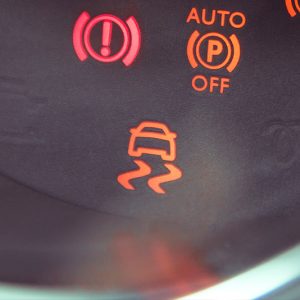
Don’t ignore the dashboard. If your oil-life monitor or check engine light comes on, don’t put it off. Schedule an appointment right away.
Take advantage of inspections. Use each oil change as a chance to catch small issues before they become big ones. Ask questions and review the inspection checklist with your technician.
Keeping your vehicle reliable doesn’t require a degree in automotive engineering — just a little planning and a shop you can trust. Whether you’re shuttling kids around Westlake or commuting to the factory floor in Parma, the right oil change schedule keeps you moving.
Oil Types for Northeast Ohio Climate
Synthetic Oil
- Flows better at low temperatures for superior cold-start protection
- Resists breakdown better under heat and stress
- Recommended for most modern vehicles
- Check your owner’s manual first
Conventional Oil
- Less expensive option
- Works well for older vehicles with regular maintenance
- Requires more frequent changes in severe service conditions
High-Mileage Oil
- Designed for vehicles with more than 75,000 miles
- Contains additives that condition seals and reduce oil consumption
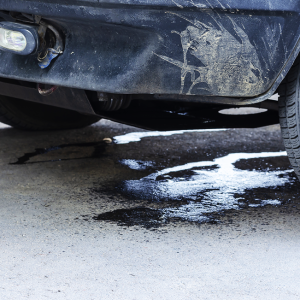
- Good choice if your older car burns oil or shows small leaks
Viscosity Grade
- Always follow your owner’s manual (e.g., 5W-30, 0W-20)
- The “W” stands for winter; first number = cold-weather flow
- Wrong viscosity affects fuel economy and engine protection






Comments